Sports Media Distribution Website
ESPN
Led UX and UI redesign of a media distribution website used by international television stations to browse and purchase sports broadcast content — solving critical findability failures and introducing an interactive content calendar that aligned the site to real-world sports events.
What Was Broken
Content Was Unfindable
International TV stations couldn't locate the media content they needed to make purchasing decisions. Properties were buried, the navigation was cluttered, and there was no clear hierarchy to guide users.
Distracting Homepage Video
A large background video on the homepage — a stakeholder requirement — was identified by sales staff as distracting rather than engaging. It competed with the content buyers actually came to find.
No Proof of Value
Buyers wanted evidence of success: broadcast stats, show performance, why they should purchase. The site offered none of this context — making the sales process harder for the team.
No Event Awareness
Google Analytics revealed significant traffic spikes during the World Cup and when Muhammad Ali passed — yet these timely properties were not surfaced on the homepage. The site was static when the audience was event-driven.

Two Sources of Truth
Sales Staff Interviews
Google Analytics
Mapping Flow
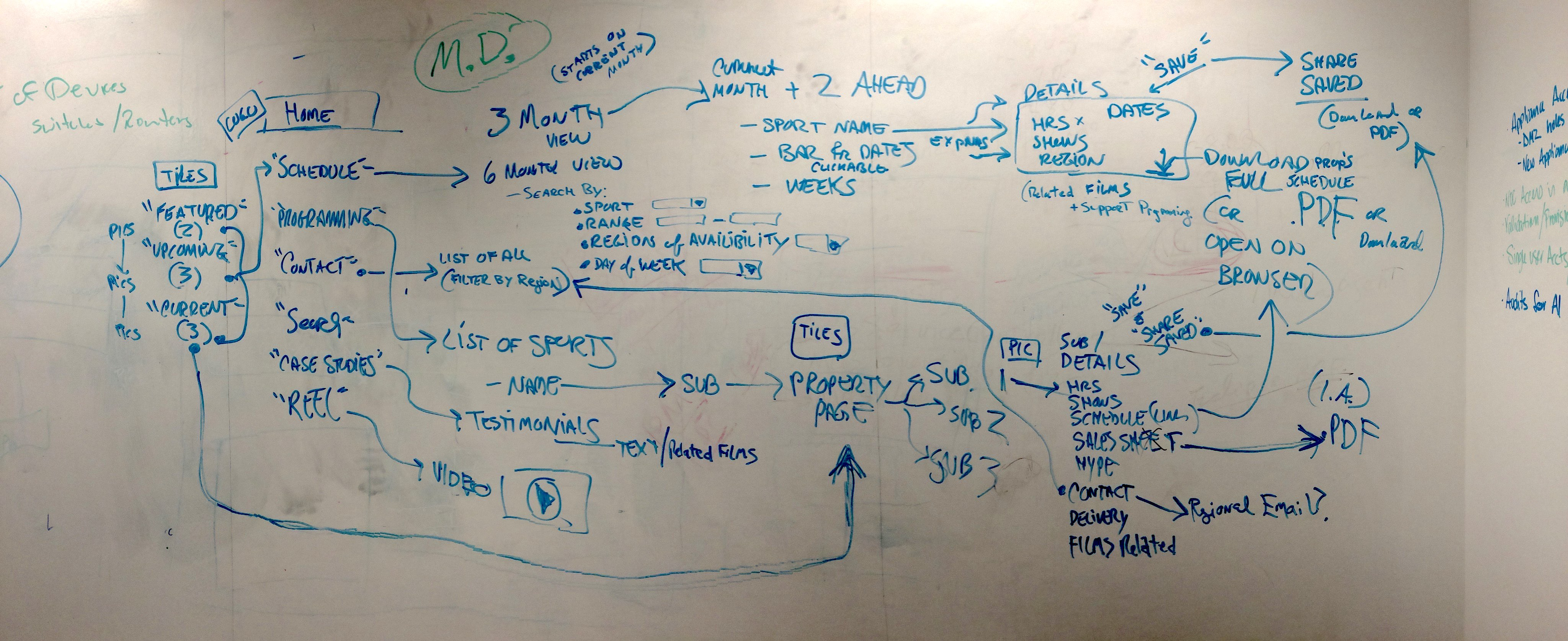
Sketches
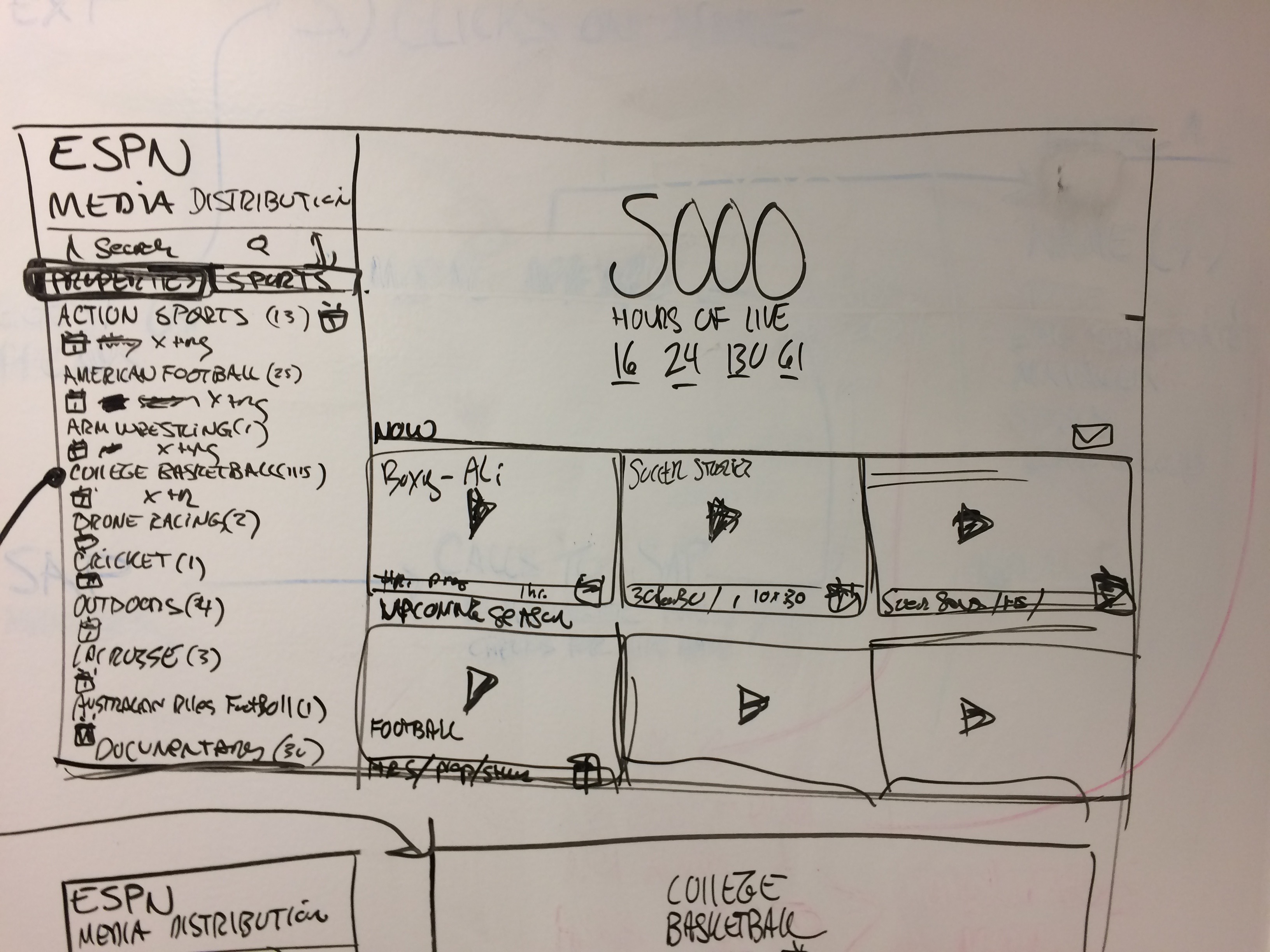
Homepage
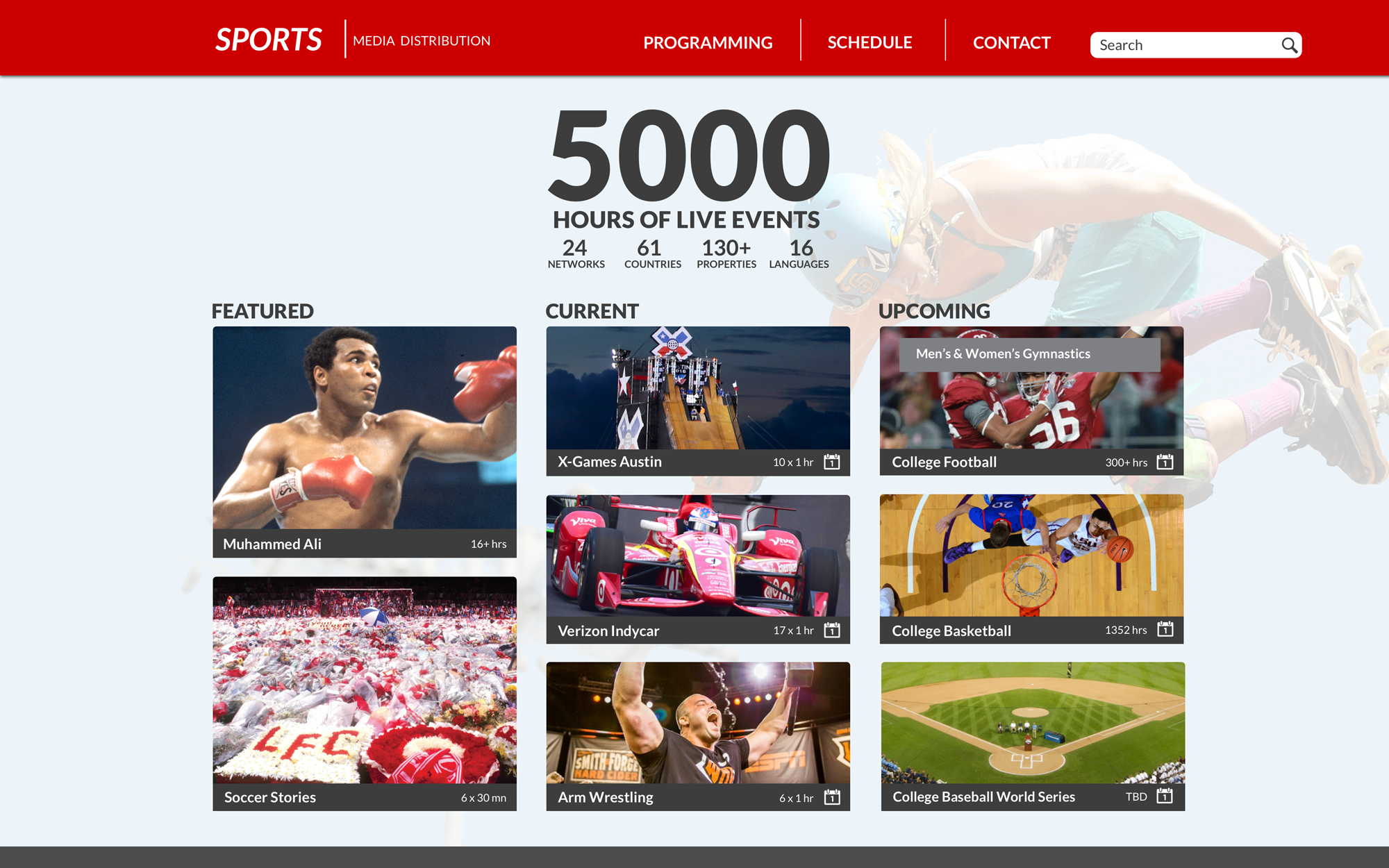
Sales stats very prominent, sidebar search and current events at the bottom.
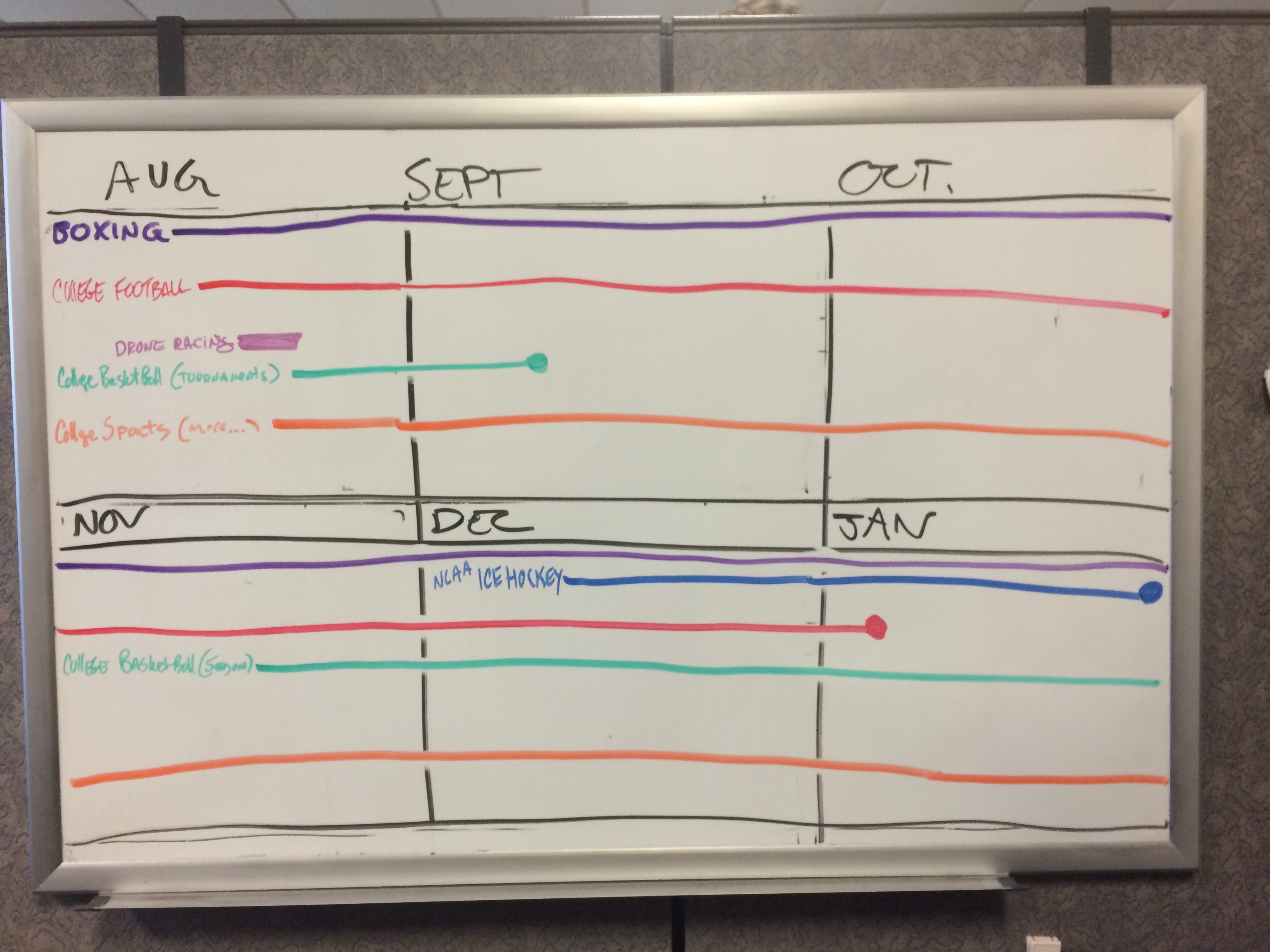
Interactive Calendar
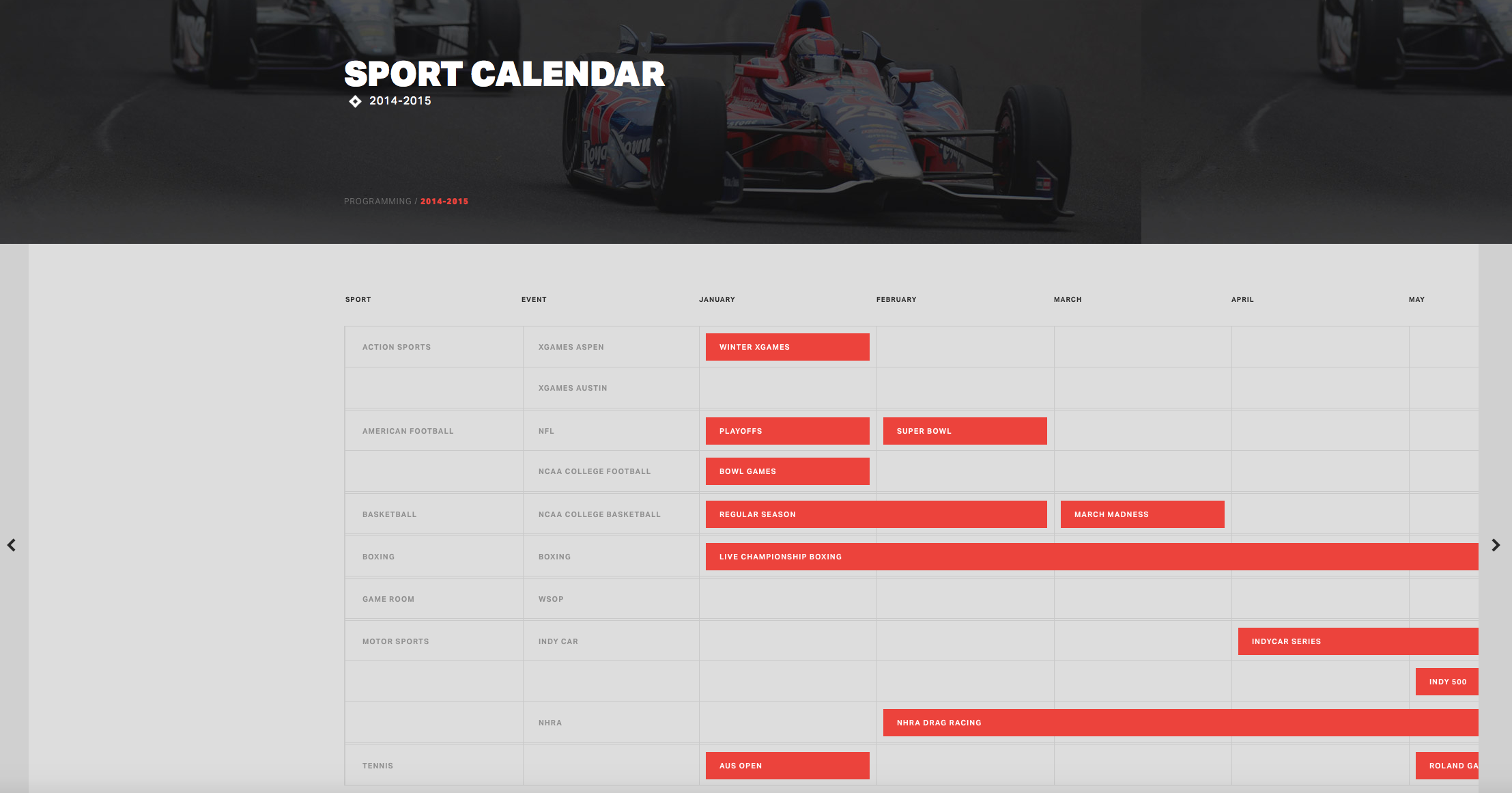
Sports events that would become available in the next quarter.
What We Changed
- 01
Sales Stats Front and Center
Broadcast performance data and success metrics were moved to a prominent position on the homepage — giving international buyers the proof of value they needed without having to ask the sales team.
- 02
Current Events as Navigation
Timely sports properties and current events were surfaced as cards on the homepage, replacing the sidebar with a cleaner layout that responded to what was actually happening in global sports.
- 03
Mega Menu Navigation
A large list of sports categories and subcategories was previously buried in sidebar clutter. A mega menu made every property immediately visible and navigable — eliminating the most common search failure.
- 04
Interactive Content Calendar
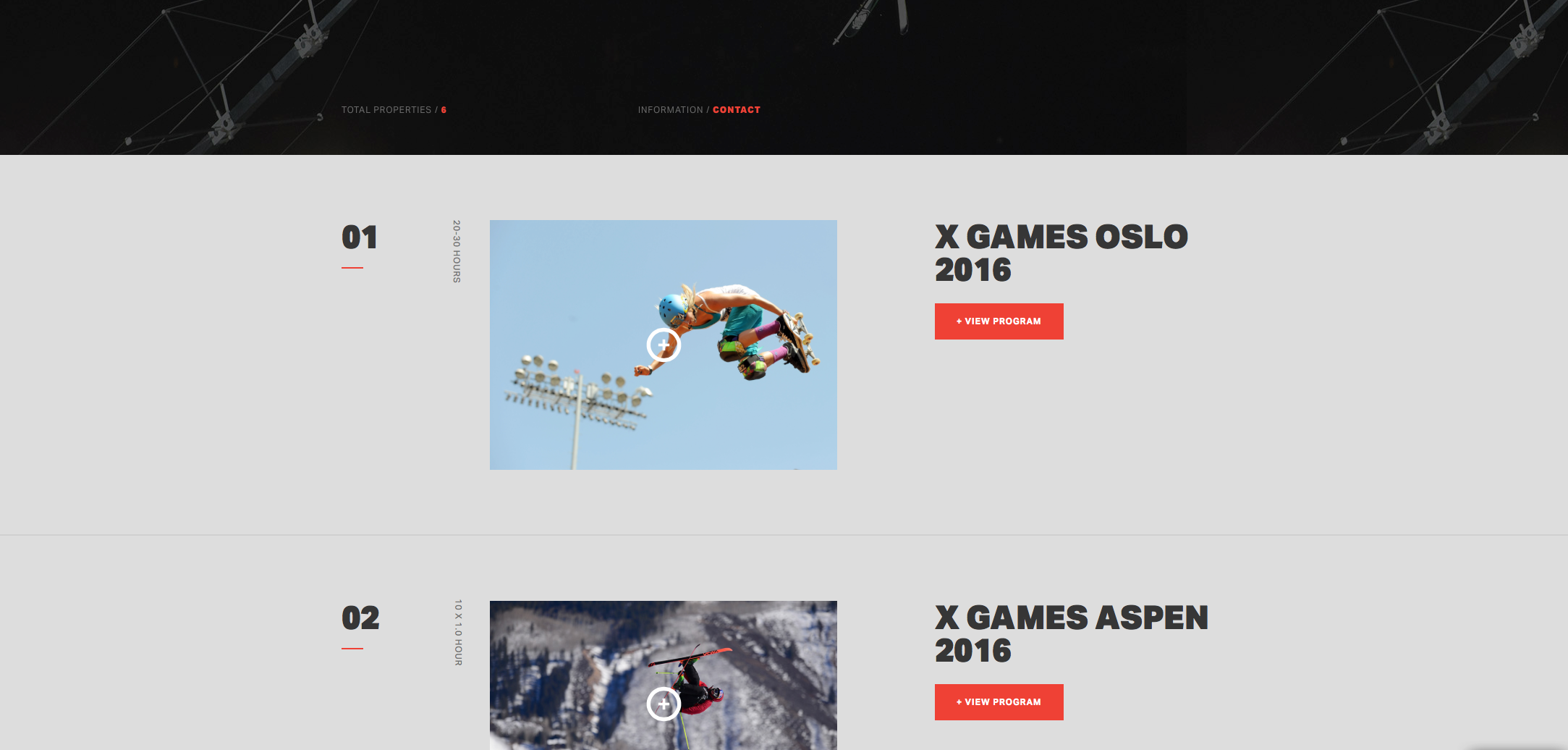
A scrollable, clickable timeline let buyers plan ahead by browsing upcoming sports events by quarter. Each event showed broadcast region, season months, number of games, and related programming — answering 'what's available, when, and how' in one interaction.
Redesigned Experience
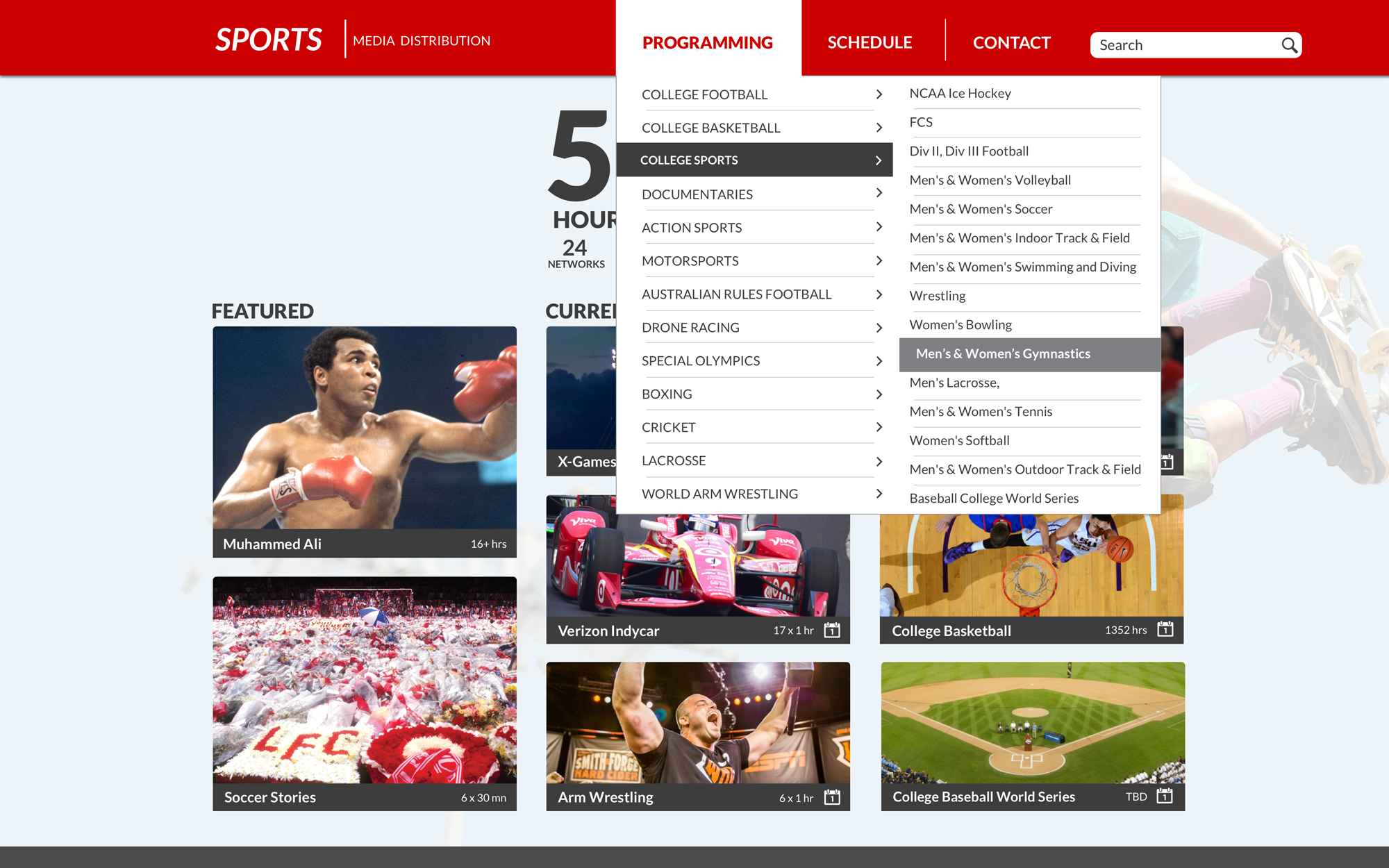
Homepage
A cleaner homepage design with sales stats prominently at the top center, current events and cards at the bottom. A Mega-Menu of sports and related sub-categories replaced the sidebar.
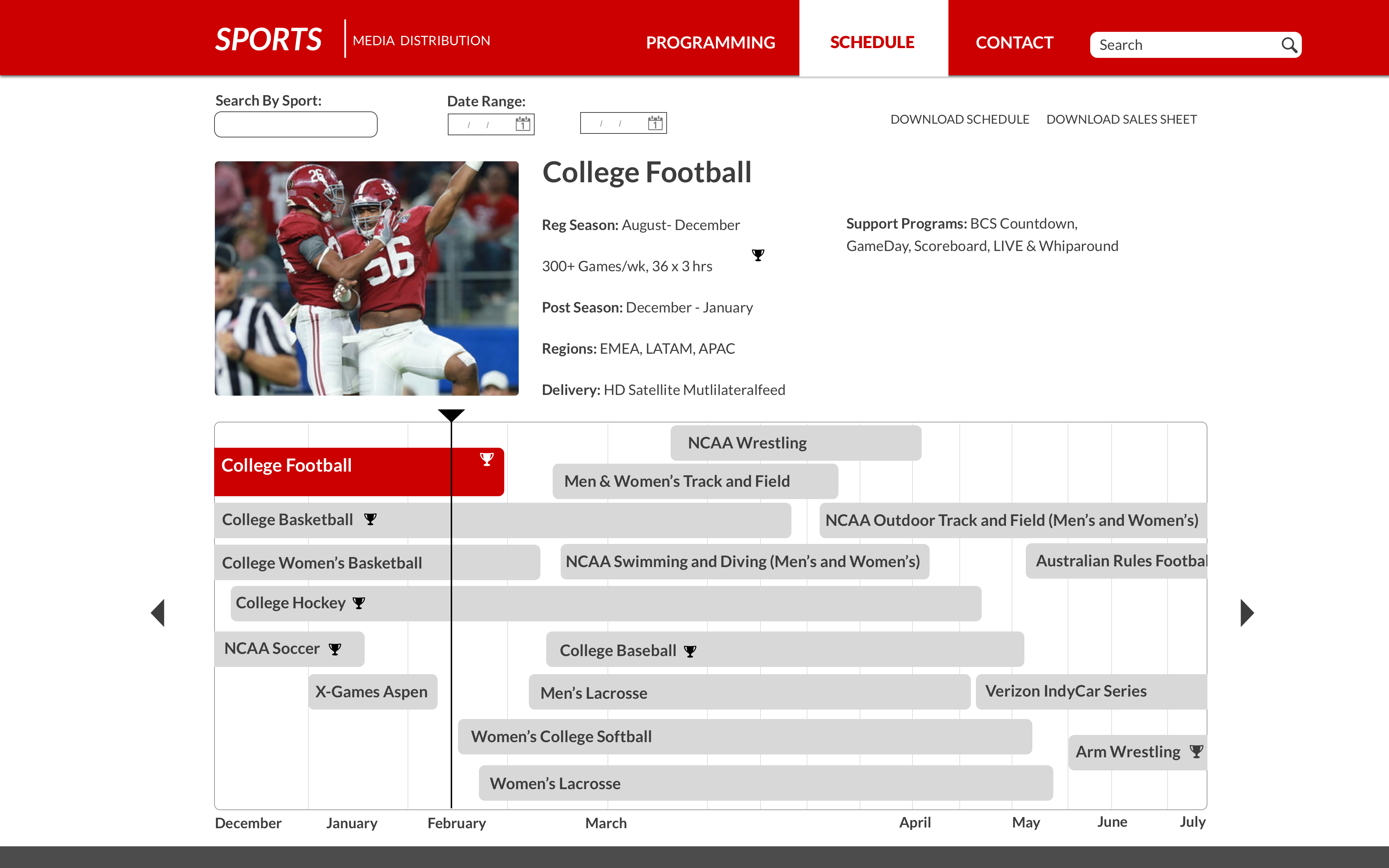
New Calendar
Interactive Events in the now scrollable timeline are interactive; Users can click to see details such as: broadcast region, season, number of games, and other related programs. Users can also search with specific dates or sports, athletes or type of broadcast - live, documentary, etc.